|
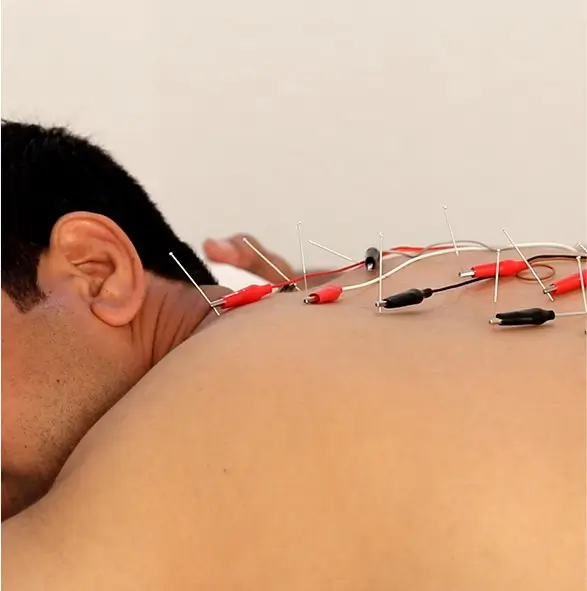
If someone told you that a handful of hair-thin needles could ease years of nagging back pain or help you sleep through the night again, you’d probably raise an eyebrow. Fair enough. Acupuncture sounds a little mysterious if you’ve never tried it, and most of what people “know” about it comes from a five-second clip on Instagram, not an actual session. So let’s slow down and actually talk about it — what acupuncture is, why it’s built around the idea of energy flow, and what you can genuinely expect if you decide to try it at a place like Shankus. A Quick Origin StoryAcupuncture isn’t new. It comes out of traditional Chinese medicine, where practitioners have used it for thousands of years as a way to work with the body rather than against it. The needles themselves are solid, sterile, and remarkably thin — nothing like the needles used for injections, so the “does it hurt” worry is usually overblown (more on that below). In Chinese medicine, the underlying idea is that the body has pathways of energy — often called Qi or Chi — running through it. When that flow gets blocked or sluggish, whether from stress, injury, poor posture, or just years of wear and tear, discomfort tends to follow. Acupuncture works by placing needles at specific points along these pathways to encourage that energy to move freely again. You don’t have to take the energy-flow concept on faith alone, either. Modern research has looked at acupuncture from a more physiological angle too — how it can stimulate nerve endings, influence blood flow, and prompt the body to release its own natural pain-relieving chemicals. Different lens, similar destination: the body gets a nudge back toward balance. What Actually Happens During a Session
Most people describe the sensation as a light tingling or a dull pressure rather than actual pain. A fair number of guests end up dozing off halfway through, which tells you something about how relaxing it can be once the initial nervousness wears off. At Shankus, acupuncture is rarely handed to you as a stand-alone fix. It’s usually paired with the right diet and daily routine, since the two reinforce each other — the needles do their part, and your lifestyle does the rest. You can read more about how the therapy is approached here on our acupuncture therapy page. Where People Usually Feel the DifferenceAcupuncture tends to get the most attention for a few specific things:
It’s worth being upfront about one thing: acupuncture works well as part of a natural, whole-body wellness routine, but it isn’t a replacement for your doctor’s advice, especially if you’re managing a diagnosed medical condition. Think of it as one solid tool in a much bigger toolkit — which is really the whole philosophy behind naturopathy. You can see how it fits alongside our other treatments on the therapies page. Is It Safe? Does It Hurt?Two questions we hear constantly, so let’s just answer them directly. Yes, it’s considered safe when performed by a trained practitioner using sterile, single-use needles — which is standard practice and non-negotiable at any credible centre. Side effects, if any, are usually mild and short-lived, like slight bruising at a needle site. As for pain, most first-timers are surprised by how little they feel. It’s nothing like a vaccination or blood draw. There might be a brief pinch as the needle goes in, followed by very little sensation at all. How Many Sessions Do You Actually Need?This is where it varies a lot, because everybody’s starting point is different. Someone dealing with mild, recent tension might notice a shift in one or two sessions. Long-standing issues — the kind that have built up over years — usually need a consistent course of treatment rather than a single visit, plus the diet and lifestyle changes that go with it. A practitioner will typically get a sense of your history first before recommending how many sessions make sense, rather than prescribing a one-size-fits-all number. Thinking About Trying It?If you’ve been putting off dealing with chronic tension, poor sleep, or that constant “running on empty” feeling, acupuncture is a genuinely low-risk place to start — especially alongside the diet and routine guidance that naturopathy is built around in the first place. You can find more detail on the therapy itself on our acupuncture page, or if you’d rather just get a session on the calendar, our team can walk you through it — book your visit here. Quick FAQs |
Book Your Acupuncture SessionGet guided by our naturopathy experts at Shankus and start your natural healing journey today. In This Article📖 A Quick Origin Story Key Benefits✅ Supports natural pain relief
✅ Improves energy flow (Qi)
✅ Reduces stress & promotes relaxation
✅ Enhances sleep quality
✅ Supports overall well-being
“
Acupuncture doesn’t just target the symptom — it helps the body get back to balance so healing can happen naturally. — Shankus Natural Health
Categories |